
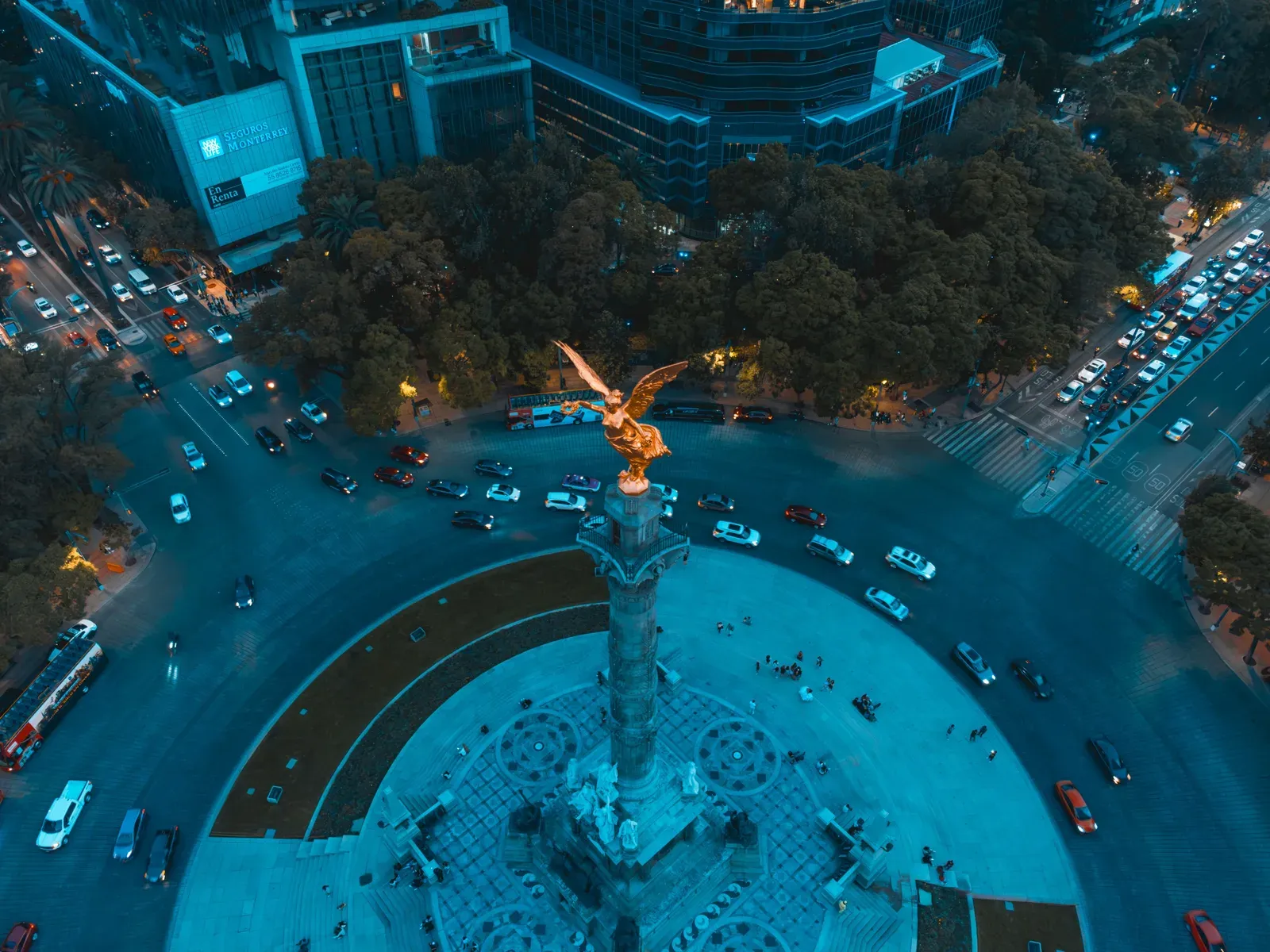
Mexico City is not one city. It is roughly sixteen boroughs and hundreds of colonias, and the distance between two of them can mean forty minutes of traffic at six in the evening. Choosing where to sleep is the single decision that shapes how your trip feels.
Most guides will tell you to stay in Roma or Condesa and leave it there. That advice is not wrong, but it is incomplete — and it ignores the fact that the best base depends entirely on what kind of traveler you are.
Here is an honest breakdown of the neighborhoods worth considering, what each one actually gets you, and the trade-offs nobody mentions.
The quick answer
- First trip, want to walk everywhere and be somewhere quiet at night → Colonia Cuauhtémoc
- Want cafés, galleries and nightlife at your door → Roma Norte
- Want green space and a residential, low-key rhythm → Condesa
- Want luxury retail, fine dining and a polished bubble → Polanco
- Want museums and colonial architecture, don't mind noise → Centro Histórico
- Coming for a week or more and want village atmosphere → Coyoacán or San Ángel
Now the detail.
Colonia Cuauhtémoc — the quiet center
Best for: first-time visitors, business travelers, anyone who wants a central base without the noise.
Cuauhtémoc sits directly north of Paseo de la Reforma, the grand avenue that runs like a spine through the city. It is the embassy district: tree-lined streets named after rivers (Lerma, Pánuco, Danubio, Tíber), early-twentieth-century houses, and a standard of upkeep that comes with diplomatic addresses.
What makes it work as a base is geography. From here you can walk to Zona Rosa in ten minutes, to Colonia Juárez in ten, to Roma Norte in twenty, and to Chapultepec Park in fifteen. The airport is 30–45 minutes by car. The Metrobús runs along Reforma and gets you to the historic center without touching traffic.
What makes it work as a place is the contrast: the streets are residential and genuinely quiet after dark, but they sit one block from one of the busiest avenues in Latin America. You get the center without paying for it in sleep.
The food is underrated. Calle Río Lerma alone holds a seafood institution (La Carreta de Juana), late-night tacos (Los Lalos), Argentine grills that have held the block for years (Quebracho, La Parrillita), and contemporary Mexican tasting menus at Marta, the restaurant inside Casa Lerma.
The trade-off: it is not a nightlife neighborhood. If your ideal evening ends at a mezcalería at 2 a.m., you will be taking a car home — a short and cheap one, but a car.
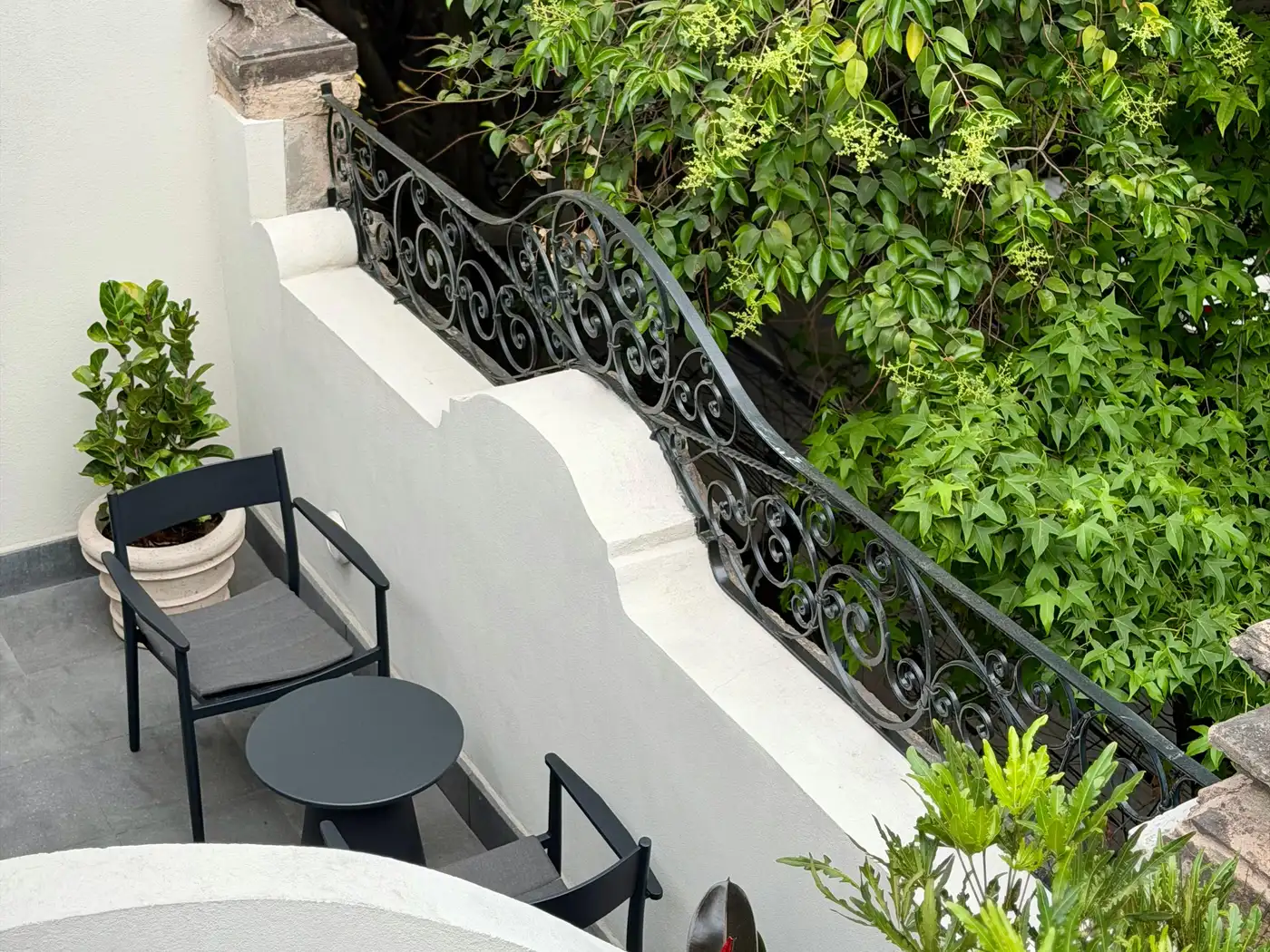
Where to stay: **Casa Lerma** is an eighty-year-old residence restored into an eight-suite hotel on Río Lerma, one block from Reforma. Several suites open onto private terraces; there is a library with an honesty bar, in-house massage, and a concierge who actually knows the neighborhood. It is the kind of place where you learn the staff's names by the second morning.
Roma Norte — the one everyone recommends
Best for: second visits, food-focused travelers, people in their twenties and thirties.
Roma Norte earned its reputation. Art nouveau and art deco buildings, independent galleries, specialty coffee on nearly every block, and a restaurant scene that ranges from taquerías to some of the most talked-about kitchens in Latin America. It is walkable, photogenic and dense with things to do.
The trade-off: it has been discovered, thoroughly. Prices have climbed, the best tables need reservations weeks out, and in parts of the neighborhood you will hear more English than Spanish at brunch. Streets near the bars are loud on weekends.
Roma Sur, just below, is quieter and cheaper with most of the same access.
Condesa — green and residential
Best for: longer stays, runners and dog people, travelers who want a routine.
Condesa wraps around two parks — Parque México and Parque España — and the whole neighborhood organizes itself around them. Art deco apartment buildings, shaded sidewalks, terrace cafés, a slower pace than Roma with much of the same quality of life.
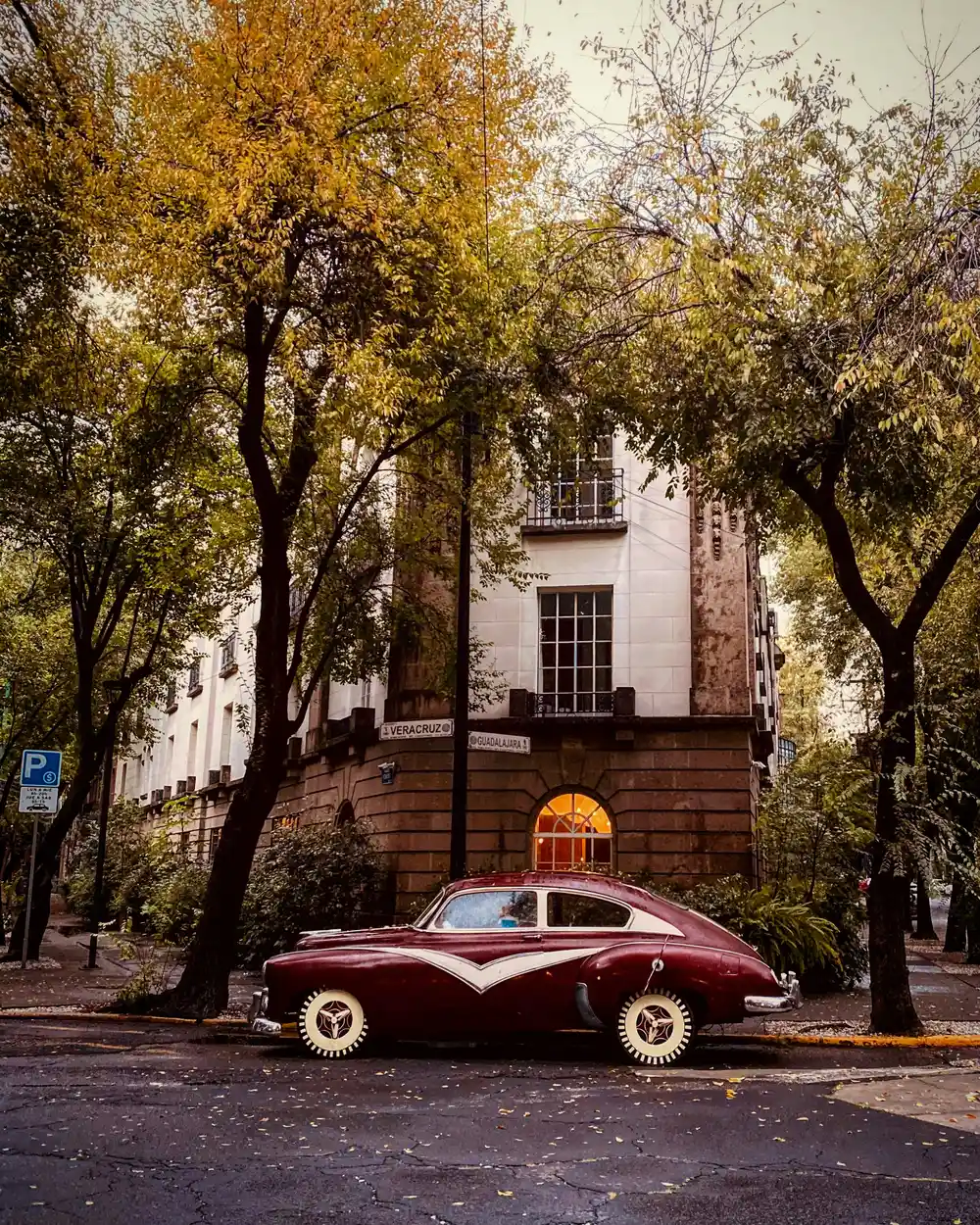
The trade-off: it is further from the historic center, and the restaurant scene, while good, is less adventurous than Roma's. Some streets are noticeably quiet at night, which is either the appeal or the problem depending on your temperament.
Polanco — luxury and distance
Best for: luxury shopping, fine dining, travelers who want international-standard comfort above all.
Polanco is Mexico City's Beverly Hills: Avenida Presidente Masaryk with its flagship boutiques, several of the country's most decorated restaurants, and the large international hotel brands. It borders Chapultepec Park and the Museo Nacional de Antropología.
The trade-off: it is a bubble, and it is far from everything else you came to see. Getting to the historic center or Coyoacán from Polanco means real time in traffic. You also pay a premium for the postcode without necessarily getting more character — the blocks are wide, corporate and not especially walkable in the way Roma or Cuauhtémoc are.
Centro Histórico — the deep end
Best for: history-first travelers, short trips focused on museums.
The Zócalo, the Metropolitan Cathedral, Templo Mayor, Palacio de Bellas Artes, the Diego Rivera murals — the density of significant things per square block is unmatched anywhere in the country.
The trade-off: it is loud, crowded and commercial during the day, and much of it empties out at night. Hotel quality is inconsistent. It is a superb place to spend your days and a demanding place to sleep.
Coyoacán and San Ángel — the village option
Best for: stays of a week or more, repeat visitors, travelers with kids.
Cobblestone streets, colonial houses, the Frida Kahlo Museum, weekend markets, and a genuine neighborhood rhythm that has nothing to do with tourism.
The trade-off: you are far south. Every trip to the center is a commitment. Worth it if you are staying two weeks; frustrating if you are staying four days.
What actually matters when you choose
Altitude. Mexico City sits at 7,350 feet (2,240 m). Expect the first two days to feel harder than they should — shortness of breath on stairs, alcohol hitting faster, poor sleep. Walk slower, drink more water, go easy on the first night's mezcal. A neighborhood you can explore on foot helps enormously during this adjustment.
Traffic is the real currency. Distances on a map mean very little between 7–10 a.m. and 5–9 p.m. Choose a base that puts most of your itinerary within walking distance or a fifteen-minute ride.
Noise. Mexico City is loud — traffic, music, street vendors, occasional fireworks. If you are a light sleeper, ask specifically about soundproofed windows and a room away from the street. It is a real differentiator, not a marketing line.
Scale of the hotel. Large properties give you predictability. Small ones give you knowledge. In a city this complex, a concierge who can call ahead to a restaurant, arrange a driver who knows the routes, and tell you which market day is worth it is worth more than a gym and a business center.
The case for a small house over a big hotel
Mexico City rewards travelers who go slowly. That is difficult in a two-hundred-room property where you queue to check in and eat breakfast in a room designed for turnover.
Casa Lerma was built as a house in the 1940s and restored as one: eight suites, each different, king beds, soundproofed windows, private terraces in several, a library that doubles as a bar, continental breakfast served unhurriedly from 8:30 to 10:30, massage on request, bicycles for Sunday mornings when Reforma closes to cars.
It is one block from Paseo de la Reforma and a fifteen-minute walk from Chapultepec Park — which is to say, in the middle of everything, on a street where you can hear birds.
Ready to experience la Cuauhtémoc?
Book your stay at Casa Lerma and discover the destination from the best perspective.
View rooms